Questions from Readers
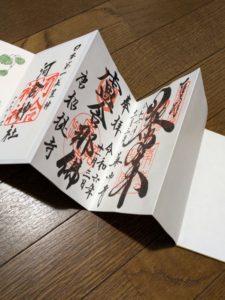
Recently, I received a question from a reader about my goshuin article asking "Can non-believers receive goshuin (temple/shrine stamps)?"
先日の御朱印の記事について読者の方から「御朱印は信者でなくてももらえますか?」という質問をいただきました。
https://hereinjapan.com/japan/2024/11/30/goshuin-japans-commemorative-stamps/
As long as you follow proper etiquette and treat the goshuin with respect as a memorial of your visit, there is absolutely no problem. I myself am not a believer.
マナーを守り、参拝した記念として御朱印を大切に扱うなら、全く問題ありません。私自身、信者ではありません。
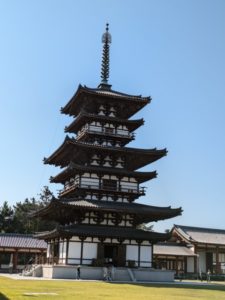
I was planning to write about temples I visited in Nara, but first I'd like to explain the unique religious perspective of Japanese people.
今回は奈良で訪れたお寺について書くつもりでしたが、その前に日本人の独特な宗教観についてご説明しようと思います。
Relationship with Multiple Religions
Many Japanese people incorporate multiple religious elements into their daily lives and annual events without any sense of contradiction.
日本人の多くは、複数の宗教的な要素を日常生活や年中行事の一部として、違和感なく生活に取り入れています。
This might be quite different from monotheistic religions that tend to be more exclusive.
これは、排他的な一神教とは大きく異なる考え方かもしれません。
Part of Annual Events
Particularly during the New Year season, there are events related to multiple religions.
特に年末年始は複数の宗教に関わる行事があります。
People enjoy Christmas, visit Buddhist temples for grave visits at year-end, and go to Shinto shrines for New Year's prayers. Christmas is Christian, temples are Buddhist, and shrines are Shinto.
クリスマスを楽しみ、年末にはお寺にお墓参りに行きます。年明けには神社にお参りに行きます。クリスマスはキリスト教、お寺は仏教、神社は神道です。
As Life Events
While funerals are held at temples and family graves are located there, people freely choose churches or shrines for weddings according to their preference. Most people don't have deep knowledge of the religious doctrines.
お葬式はお寺で行い、お寺にお墓があっても、結婚式は好みで教会や神社を選ぶという感覚です。教義を深く知らない人がほとんどではないでしょうか。
Coexistence of Tourism and Faith
Shrines and temples are also popular as tourist destinations. When I receive goshuin at shrines and temples, it's not for religious reasons. Carrying lucky charms and displaying talismans at home are seen more as part of lifestyle customs rather than expressions of particular religious faith.
神社やお寺は観光地としても親しまれています。私が神社やお寺で御朱印をいただくのも宗教的な理由ではありません。お守りを持ち歩いたり、厄除けのお札を家に飾ったりするのも、特別に「信仰している」という意識というよりは、生活習慣の一部として受け止められています。
Gods Dwelling in Nature and Phenomena
This flexible and tolerant religious perspective might come from the belief that gods dwell in mountains, rivers, large trees, and all natural phenomena. Respect for nature is also a characteristic of Japanese religious views.
柔軟で寛容な宗教観は、山や川、大きな木々、あらゆる自然や現象に神様が宿るという考え方から来ているのかもしれません。自然を大切にする心も日本人の宗教観の特徴です。
Japanese folktales and Studio Ghibli movies like "Spirited Away" and "Princess Mononoke" feature many unique gods.
日本の民話やジブリの映画「千と千尋の神隠し」や「もののけ姫」などにも、個性的な神様がたくさん出てきますね。
The Toilet God
Do you know the song "The Toilet God"? The lyrics tell of a childhood memory where grandmother taught that a beautiful goddess lives in the toilet, and if you clean it well, you'll become beautiful.
「トイレの神様」という歌を知っていますか。歌詞には子どもの頃、おばあちゃんに「トイレには美しい女神様がいて、綺麗に掃除すると美しくなれるよ」と教えられたというエピソードがあります。
My Personal Relationship with Religion
As for me, I'm interested in history, architecture, and culture, and I enjoy visiting shrines and temples as a tourist. While I'm not religious, I find peace when I visit these places.
さて、私は歴史や建築、文化に興味があり、観光で神社やお寺巡りをするのが好きです。信仰はしていませんが、参拝すると心が落ち着きます。
Questions for Readers
Do you feel hesitant about praying at temples or shrines if you're not a believer? Also, are non-believers like myself welcome to enter religious buildings in your country? I'd love to hear your thoughts.
あなたは、信者でないのにお寺や神社でお祈りをすることに抵抗がありますか?また、あなたの国の宗教的な建物に、私のような信者でない者が立ち入ることは歓迎されませんか?良かったら教えてくださいね。