Hello, I'm Mog. I'm writing a series of articles about my trip to Nara. In my previous article, I mentioned that I bought a Goshuin-cho (temple stamp book).
こんにちは、Mogです。
奈良旅行の記事を連載しています。
前回の記事で、私が「御朱印帳」を買ったことを書きました。
https://hereinjapan.com/japan/2024/11/23/naras-handcraft-heritage-shopping/
What is Goshuin
When visiting shrines and temples, you can receive a commemorative stamp called "Goshuin" by offering a small donation (Oshuryō) of 300-1000 yen. The Goshuin includes the temple/shrine name and visit date written in careful calligraphy, along with the temple or shrine's official seal.
神社やお寺を訪れた際、御初穂料(お礼)300円〜1000円程度 を納めると、記念の印をいただくことができます。これが「御朱印」です。寺社名、参拝日付が丁寧な毛筆で書き込まれ、神社・寺院の御神紋や寺紋が押印されます。
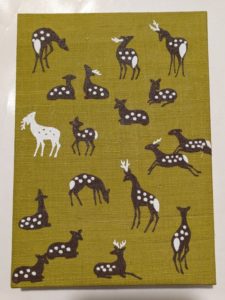
The special book used to collect these stamps is called a "Goshuin-cho."
「御朱印」を記載する専用の帳面が「御朱印帳」です。
History of Goshuin
About 400 years ago during the Edo period, when walking was the main mode of transportation, visiting temples and shrines wasn't just casual tourism as it is today - it was an important life goal.
今から約400年前の江戸時代。
当時の交通手段は主に徒歩。今の気軽な観光旅行とは違い、お寺やお社に「お参り」することは、とても大切な人生の目的の一つでした。その思い出や実際にそのお寺やお社にお参りした証明として始まったのが「御朱印」です。
Goshuin began as proof of these pilgrimages. Initially, it started as "Nōkyō," a certification received for copying or reading Buddhist sutras at temples. Later, this culture spread to shrines as well.
最初は、お寺で経典(お経)を写したり読んだりした証として「納経」という証明をもらうことから始まりました。
The practice of recording temple and shrine names, visit dates, and special seals in a single book evolved into today's Goshuin-cho system.
その後、この文化は神社にも広がっていきました。お寺やお社の名前、参拝した日付、そしてその場所の特別な印を、一つの帳面に残すようになり、それが今の御朱印帳の形になりました。
About Goshuin-cho
How to Buy
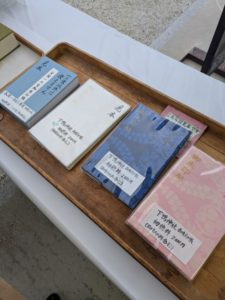
Goshuin can only be received in a special Goshuin-cho, which can be purchased at temples and shrines that offer Goshuin. In places like Kyoto and Nara with many temples and shrines, they are also available at gift shops and bookstores that sell traditional items. They typically cost between 1,000 and 3,000 yen.
御朱印は専用の「御朱印帳」にしかいただけません。お寺や神社の御朱印をいただける所で購入ができます。
京都や奈良などお寺や神社が多い場所では、雑貨屋さんや雑貨を扱っている書店などにも置いてあります。
1,000円〜3,000円程度で売っています。
Characteristics
The covers are made with cloth, and the inside pages are made of washi(Japanese paper) in an accordion-style format.
表紙は布で装丁されています。中は和紙で、蛇腹式になっている物が多いです。
This style makes it easy to view all your collected Goshuin at once. They typically have 40-60 pages on both sides and should be handled with care as they are considered sacred documents.
蛇腹式だと一気にページを広げられ、集めた御朱印を眺めやすいですね。
両面で40〜60ページ程度あります。
神聖な書き物として丁寧に取り扱います。
How to Receive Goshuin
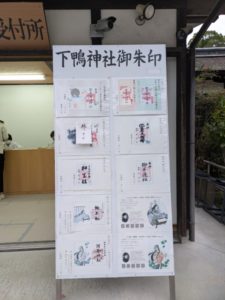
1. First, pay your respects at the temple or shrine
2. Find the Goshuin office (usually at the temple/shrine office)
You can simply ask the staff "Where can I receive a Goshuin?(Go-shu-in wa do-ko de i-ta-da-ke-ma-su-ka?)" and they will kindly direct you.
3. Make your payment (300-1000 yen typically)
4. Present your Goshuin-cho with both hands, opened to the desired page
5. Observe proper etiquette - while watching the calligraphy process is special, taking photos or videos is generally not allowed
1. お参りを先にしましょう
2. 御朱印所を探す
社務所や授与所にあります
「御朱印はどこでいただけますか」と
スタッフさんに聞けば親切に教えてくれますよ。
3. 支払い
御朱印の種類がいくつかある場合、好みの物を選び、お金を払います。だいたい300〜1000円程度です。
4. 御朱印帳の渡し方
御朱印帳の御朱印を書いてほしいページを開き、両手で丁寧に渡します。
既に和紙に書いてある御朱印もあります。その場合は、家に帰ってから御朱印帳に丁寧に貼ります。
5.マナー
御朱印が目の前で毛筆で書き上げられる様子を見られるのは貴重です。ついその様子を写真や動画に撮りたくなりますが、基本的にNGです。
静かに見せていただきます。
Recent Illustrated Goshuin
The Goshuin-cho culture has recently become popular among young people.
御朱印帳の文化は最近、若い人の間でも流行っているようです。
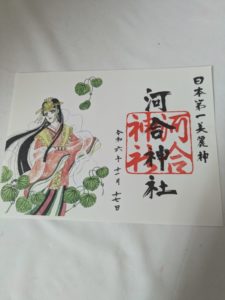
I heard about illustrated Goshuin and visited Kawai Shrine within Shimogamo Shrine in Kyoto. Kawai Shrine is dedicated to the deity of beauty. The deity was illustrated by famous manga artist Riyoko Ikeda. This was a pre-written type on washi paper, which I took home and pasted in my Goshuin-cho.
最近ではイラストの入った御朱印もあると聞き、京都の下鴨神社の中にある河合神社に行ってきました。
河合神社は美の神様を祀っています。
美の神様を描いたのは有名なマンガ家の池田理代子さんです。
こちらは既に和紙に書いてあるタイプでしたので、持って帰り、御朱印帳に貼りました。
My Goshuin-cho has become a bit more decorative now!
私の御朱印帳が少し華やかになりました💕
Next week, I'll talk about the temples I visited in Nara. Have a great day!
来週は奈良で訪れたお寺についてお話しますね。
では、良い1日を