Hello, this is Mog.
こんにちは、Mogです。
Suddenly, do you know about folklore studies? It is said that Japanese folklore studies were started by Kunio Yanagita in 1908.
突然ですが、民俗学を知っていますか。日本の民俗学は、1908年に柳田国男が始めたそうです。
In February, I visited Harima City, Hyogo Prefecture, the birthplace of Kunio Yanagita. This time, I will talk about that journey.
2月に柳田国男の生地、兵庫県播磨市を訪ねました。今回はその旅のお話をしますね。
What is Folklore Studies?
In my blog articles, I sometimes write about food and events, and they vary slightly by region.
The way of life has also changed between our parents' generation and now.
私のブログの記事で食べ物や行事について書く事がありますが、地域によって少しずつ違いがあります。
暮らし方も親の世代と今では変わってきています。
Folklore studies research these changes. It is said to be a discipline that explores daily life and culture, including rituals, beliefs, society, and the economy.
それを研究するのが民俗学です。儀礼・信仰・社会・経済などの日常の暮らしと文化を探求する学問なのだそうです。
Kunio Yanagita’s Birthplace

This is the house where Kunio Yanagita, the father of Japanese folklore studies, was born.
これは日本の民俗学の父、柳田国男が生まれた家です。
He wrote in his book that it was "the smallest house in Japan." Since seven people lived in this house, it must have been difficult.
「日本一小さい家」だと彼は著書で書いています。この家に7人が暮らしていたのですから、大変だったようです。
As a child, he wondered, "Why are farmers poor?" This question later led him to start folklore studies.
幼い頃に「なぜ農家は貧しいのか」という疑問を持った事が、後に民俗学を始めるきっかけになったそうです。
The Miki Family
At the age of 10, he lived for a year in the house of the Miki family, who were wealthy village headmen (chosen from affluent farmers to convey orders from the shogunate or feudal lords and manage village administration).
Surrounded by many books, he deepened his education.
10歳の頃、彼は三木家という大庄屋(裕福な農民の中から選ばれ、幕府や藩の命令を村に伝え、行政を担った)の家で1年間暮らします。
沢山の書物に囲まれ教養を深めました。
The Miki family's house, which was very wealthy, has now been registered as a tangible cultural property.
When I learned that this cultural property had been turned into an accommodation facility, I excitedly made a reservation.
とても裕福だった三木家の家屋は現在、有形文化財として登録されています。その文化財が宿泊施設になっていると知り、私は興奮気味に予約を入れました。
I will introduce the facility and the wonderful meals later.
施設や素敵な食事については、後日紹介しますね。
After resigning as a government official, Kunio Yanagita became an editorial writer for a newspaper company. While working, he traveled across the country and became interested in the lives and traditions of people in rural areas.
Later, he started folklore studies.
柳田国男は官僚を退職後、新聞社の論説委員となりました。
勤務の傍ら全国を旅し、地方での人々の暮らしや言い伝えに興味を持ちます。そして、民俗学を始めたのです。
Yokai Statues
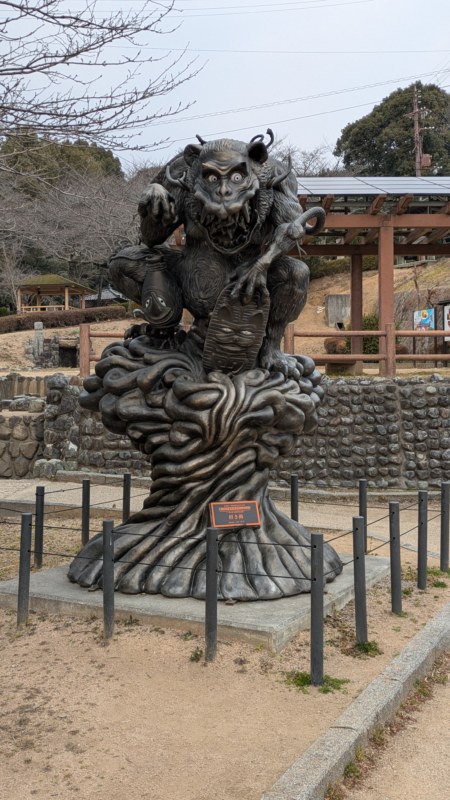
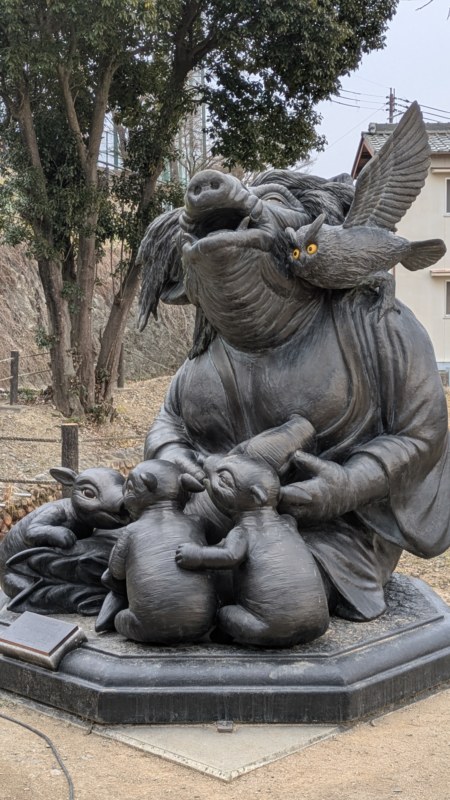
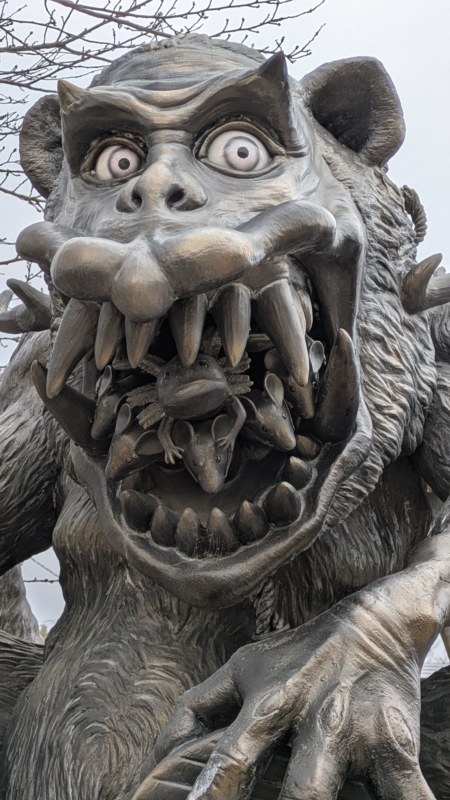
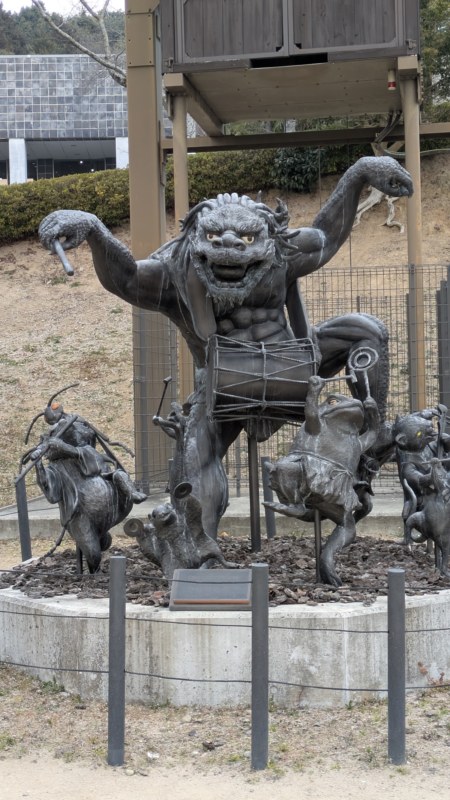
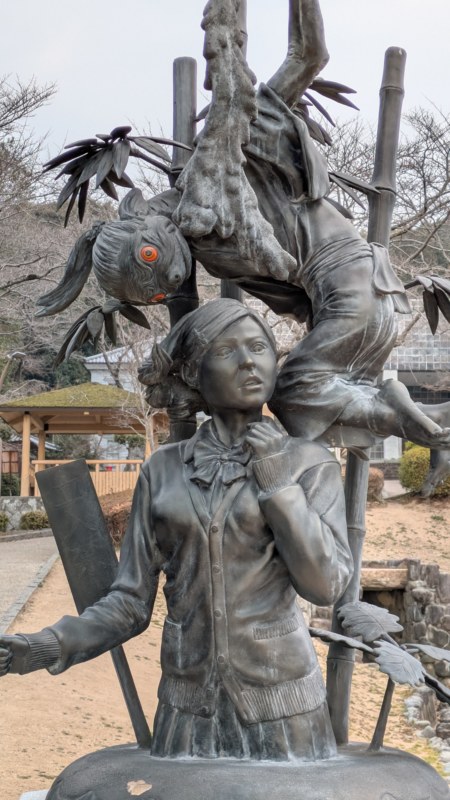
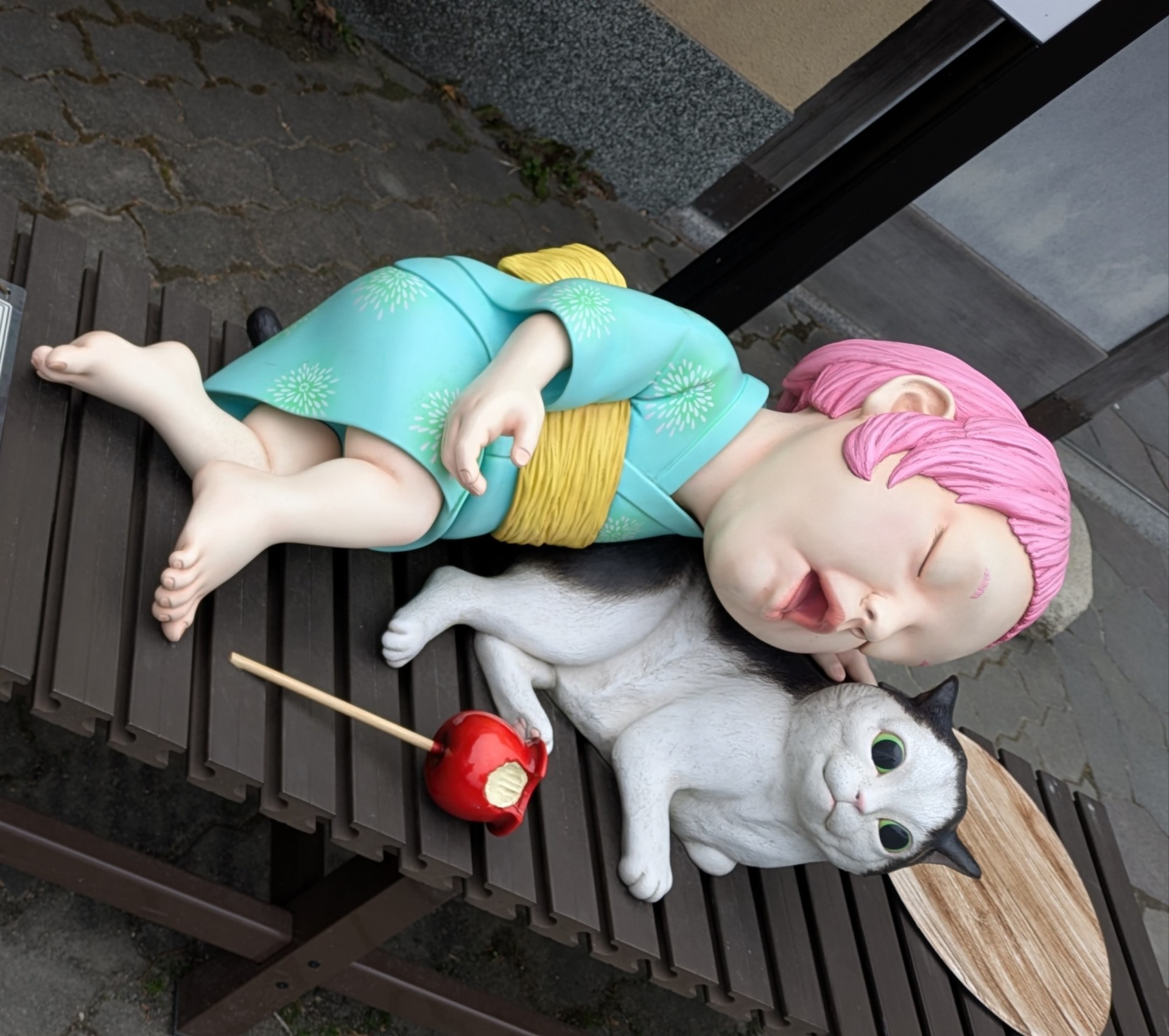
There were many yokai (Japanese supernatural creatures) statues around the Kunio Yanagita museum.
柳田国男の資料館の周りにも妖怪のオブジェがたくさんありました😉
One of his famous books is "Tono Monogatari." It is a collection of mysterious legends from the Tono region in Iwate Prefecture and includes many stories about yokai.
彼の有名な著書に「遠野物語」があります。岩手県遠野地方の不思議な言い伝えをまとめたもので、ここに妖怪の話が数多く出ています。
Next week, I will talk about the important cultural property related to the Miki family, where I stayed.
来週は私が宿泊した三木家ゆかりの重要文化財についてお話しますね。
Have a great day!
では、良い1日をお過ごしください。