Hello, I'm Mog.
In Japan, there are various traditional events and customs as we approach the end of the year. Today I'll explain these in detail.
こんにちは。Mogです。
日本では12月になると、年末に向けて様々な伝統行事や風習があります。今日はそれらについて詳しく説明しますね。
Bonenkai (Year-End Parties)
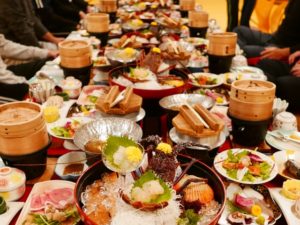
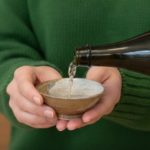
In December, year-end parties called "bonenkai" are held among coworkers and friends. "Bonenkai" means "forgetting the year's troubles." It's an important opportunity to enjoy good food and drinks together while reflecting on the year's events and acknowledging each other's hard work.
My company also hosted a bonenkai at the company's expense. I also enjoyed bonenkai with friends this month 😉
12月になると職場や友人同士で「忘年会」と呼ばれる年末のパーティーが開かれます。「忘年」とは「その年の嫌なことを忘れる」という意味です。みんなで美味しい料理やお酒を楽しみながら、1年間の出来事を振り返り、お互いの頑張りを認め合う大切な機会です。
私の会社でも会社負担で忘年会を開催しました。また、今月は友人との忘年会も楽しみましたよ😉
Nengajo (New Year's Cards)
Nengajo are Japanese New Year's greeting cards. If posted between December 15th and 25th, they are delivered all at once on January 1st. They typically feature illustrations of the year's zodiac animal (2025 is the Year of the Snake in the 12-year cycle) and updates about the year's events.
年賀状は日本の新年の挨拶カードです。12月15日〜25日までに投函すると、1月1日に一斉に配達されます。その年の干支(2025年は12支の中のヘビ)をモチーフにしたイラストや、一年間の出来事を報告する内容が一般的です。
What I look forward to every year are nengajo with family photos, those expressing recent events through manga-style illustrations, and creative cards where scanning a QR code with your smartphone reveals a slideshow of the family's activities throughout the year.
私が毎年楽しみにしているのは、家族写真付きの年賀状や、近況をマンガで表現してくれる年賀状、スマートフォンでQRコードを読み取ると家族の1年間の様子がスライドショーで見られる工夫を凝らした年賀状です。
Recently, more people have started sending New Year's greetings through messaging apps like LINE. This year's postal rate increase seems to be prompting more people to switch to electronic greetings.
最近では、LINEなどのメッセージアプリを使って新年の挨拶をする人も増えてきました。今年は郵便料金が値上がりしたことも、電子での挨拶に切り替えるきっかけになっているようです。
Visiting Family Graves
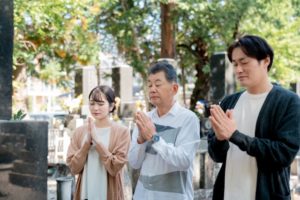
Year-end grave visits are important occasions to report the year's events and express gratitude to ancestors. Families visit the cemetery, carefully clean the gravestone, and offer fresh water and flowers. They report the year's events and family news, and pray with gratitude to their ancestors.
年末のお墓参りは、一年の報告と感謝を先祖に伝える大切な行事です。家族で墓地を訪れ、墓石を丁寧に清掃し、新しい水や花を供えます。その年に起きた出来事や家族の近況を報告し、先祖への感謝の気持ちを込めて手を合わせて祈ります。
Many people visit family graves when returning to their hometowns. I also make sure to visit our family grave with my family when I return home.
実家に帰省する際にお墓参りをする人も多いです。私も実家に帰省する時には、必ず家族でお墓参りをします。
Osoji (Year-End Cleaning)
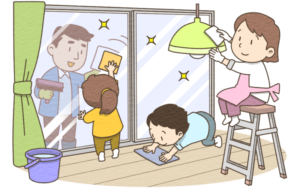
When December begins, year-end cleaning starts all across Japan. This isn't just ordinary cleaning – it's an important custom to wash away the year's dirt and welcome the New Year with a fresh mindset. People thoroughly clean places that are usually hard to reach, as well as windows, light fixtures, and even inside the oshiire (storage spaces unique to Japanese houses).
12月に入ると、日本中で大掃除が始まります。これは単なる掃除ではなく、一年の汚れを落として新年を清々しい気持ちで迎えるための大切な風習です。普段手の届かない場所や、窓、照明器具、押し入れ(日本の家屋に特有の収納スペース)の中まで徹底的に清掃します。
Not just homes, but schools and workplaces also engage in collective cleaning efforts. At my company, we all participate in cleaning before the long New Year holiday, followed by a year-end closing party.
家庭だけでなく、学校や職場でもみんなで協力して大掃除に取り組みます。私の会社も年末年始の長期休暇に入る前にみんなで大掃除をし、その後で年末の締めくくりのパーティーを開きます。
The New Year holiday period varies by company but typically lasts six days from December 29th to January 3rd. This year, with weekends on either end, the holiday will be from December 28th to January 5th. I'm happy about that 🤗👍
年末年始の休暇は会社によって異なりますが、一般的には12月29日から1月3日までの6日間です。今年は前後に土日があるため、12月28日から1月5日まで休みとなります。嬉しい🤗👍
Preparing Osechi Ryori
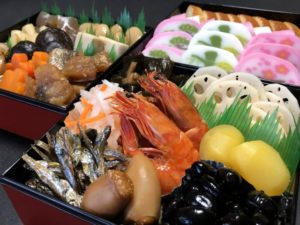
Osechi ryori is traditional New Year's food. Each dish carries auspicious meaning and is beautifully arranged in jubako (traditional stacked boxes) for meals during the first three days of the New Year (January 1-3).
おせち料理は新年を祝う伝統的な食事です。一つ一つの料理に縁起の良い意味が込められており、重箱(積み重ねられる伝統的な食器)に美しく詰めて、お正月三が日(1月1日〜3日)の食事として用意します。
Recently, besides homemade versions, pre-ordered osechi from department stores, hotels, and famous restaurants have become popular. Many families now choose styles beyond traditional Japanese, including Japanese-Western fusion, Chinese-style, or Italian-style to suit their family's tastes.
最近では手作りだけでなく、デパートやホテル、有名料理店での予約販売も人気です。和食だけでなく、和洋折衷、中華風、イタリアン風など、家族の好みに合わせる家庭も増えているようです。
Toshikoshi Soba
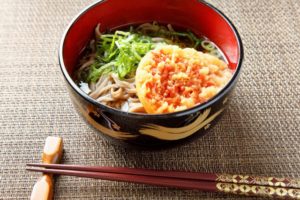
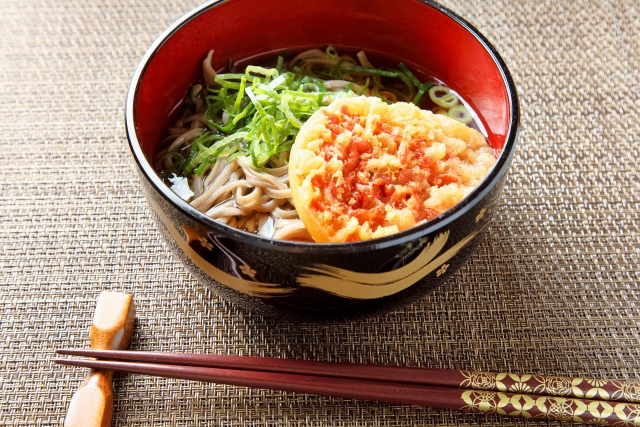
Toshikoshi soba, eaten on New Year's Eve (December 31st), symbolizes wishes for longevity. The long, thin shape of soba (traditional Japanese noodles) represents long life. Additionally, because soba noodles break easily, they also represent cutting away the year's hardships and misfortunes.
大晦日(12月31日)の夜に食べる年越しそばには、長寿を願う意味が込められています。細く長いそば(日本の伝統的な麺料理)の形が長寿の象徴とされています。また、そばは簡単に切れることから、一年の苦労や厄(よくないこと)を断ち切る意味も持っています。
Kohaku Uta Gassen
The NHK Kohaku Uta Gassen is a traditional New Year's Eve music program that has been running since 1951. Popular singers of the year perform, divided into Red (female) and White (male) teams. The live broadcast runs for over 4 hours, featuring performers from traditional enka to modern J-pop, with special productions and spectacular collaborations as highlights. Many families gather around the TV to watch.
NHK紅白歌合戦は、1951年から続く大晦日の伝統的な音楽番組です。その年の人気歌手が出演し、紅組(女性)と白組(男性)に分かれて歌を競います。4時間以上続く生放送で、伝統的な演歌から最新のJ-POPまで幅広いジャンルの歌手が出演し、特別な演出や豪華な共演も見どころです。多くの家族がテレビの前に集まって過ごします。
Joya no Kane
On New Year's Eve at midnight, temple bells across Japan are rung 108 times. This number represents the 108 earthly desires in Buddhist teachings, and the bell-ringing ritual is meant to cleanse these desires from the past year. Many people visit temples to hear the bells ring in the New Year.
大晦日の深夜、日本全国のお寺で除夜の鐘が108回鳴らされます。この108回という数字は仏教の教えにある人間の108の煩悩(欲望や迷い)を表しており、鐘の音とともに一年の煩悩を清めるという意味があります。多くの人々が実際にお寺を訪れて、鐘の音を聞きながら新年を迎えます。
On TV, after the Kohaku Uta Gassen ends, broadcasts show temple bells being rung across the country. People spend these moments listening to the solemn bell sounds, reflecting on the past year and making wishes for the new year.
テレビでは紅白歌合戦が終わると、全国各地のお寺で除夜の鐘が鳴らされる様子が放送されます。厳かな鐘の音に耳を傾けながら、一年の反省と新年への願いを込めて過ごします。
Just as the 108th bell toll ends, the New Year begins.
ちょうど108回目の鐘が鳴り終わると、いよいよ新年の始まりです。
Here is a video of Chion-in Temple in Kyoto, famous for its powerful New Year's bell.
迫力のある除夜の鐘で有名な京都の知恩院の動画を紹介します。
Year-End Greetings
Finally, let me introduce a Japanese year-end greeting.
「よいおとしを」"Yoi otoshi wo"
This is a shortened version of "Have a good New Year."
「よいおとしを おむかえ ください」
"Yoi otoshi wo omukae kudasai"
It's a greeting unique to the year-end season, expressing wishes for safely completing the busy year-end period and welcoming a refreshing New Year.
最後に、日本語の年末の挨拶をご紹介します。
「良いお年を」
これは「良いお年をお迎えください」を略した表現です。慌ただしい年末を無事に過ごし、清々しい新年を迎えられますようにという願いが込められた、年末ならではの挨拶です。
Thank you for visiting my blog, "Here in Japan, this year." I am very happy to have met you.
今年は私のブログ、"Here in Japan"を訪れてくださり、ありがとうございました。お会いできてとても嬉しく思います。
With that, I wish you all "Yoi otoshi wo" 🤗✨
では、良いお年を🤗✨