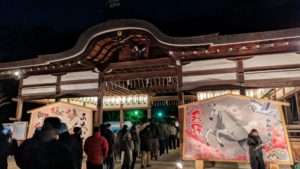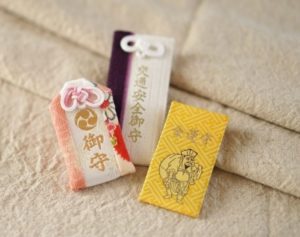
I drew an omikuji fortune at a shrine during the New Year holidays.
Today, I’d like to share that experience with you.
お正月に神社でおみくじを引きました。
今回は、その体験についてお話しますね。
If you’d like to know more about my visit to the shrine, please read this article.
神社に行った時のことは、こちらの記事を読んでくださいね。
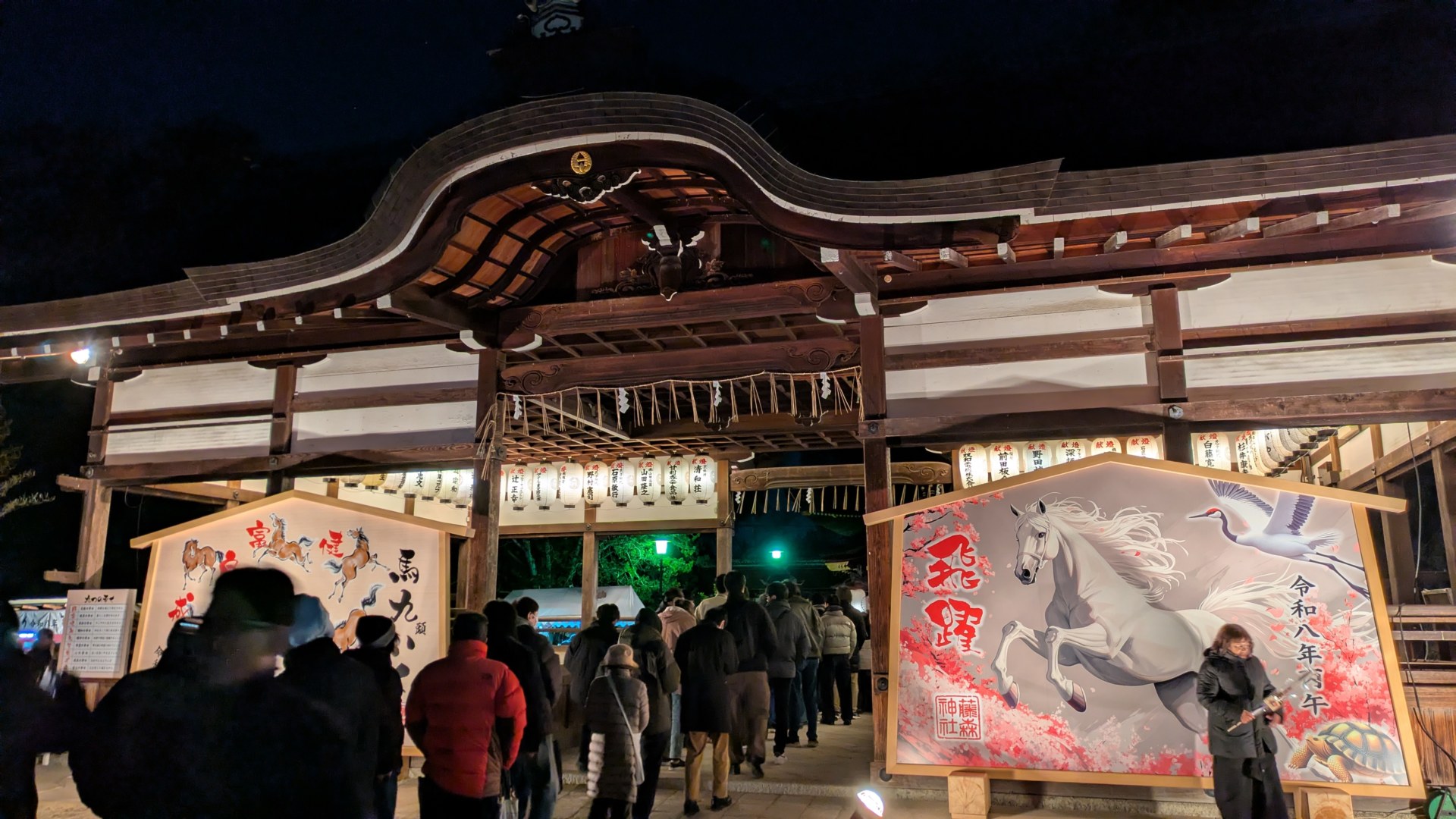
What Is Omikuji?
Omikuji is a form of fortune-telling you can try at Japanese shrines and temples.
It contains messages about your luck for the year and advice on how to live your daily life.
おみくじは、日本の神社やお寺で引くことができる占いです。
その年の運勢や、日々の心がけについてのメッセージが書かれています。
Rather than predicting the future,
it is traditionally seen as gentle advice on how you should act.
未来を決めるものではなく、
「こうすると良いですよ」というアドバイスとして受け取るのが、日本らしい考え方です。
Types of Omikuji
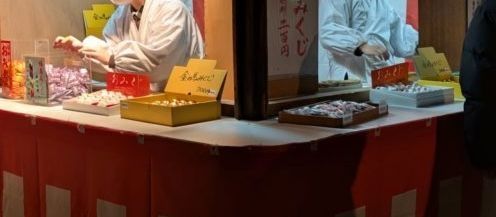
There are many different types of omikuji at shrines.
神社にはさまざまな種類のおみくじがあります。
This time, I drew this kind of omikuji.
私は今回は、こんなおみくじを引きましたよ。
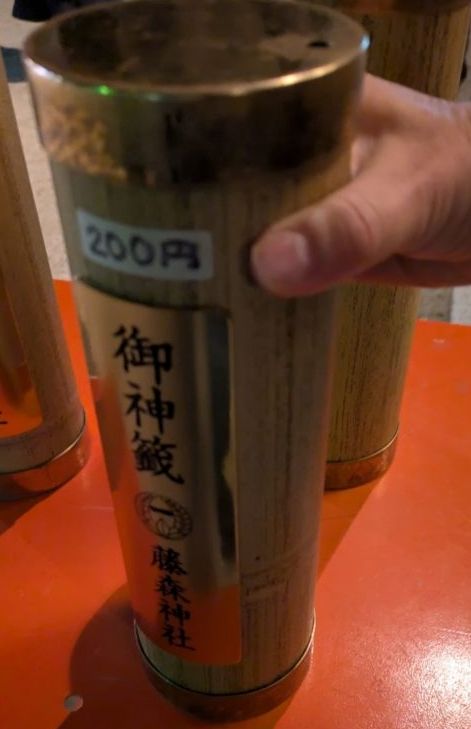
This is a very traditional way of drawing omikuji.
You shake a hexagonal wooden box upside down, and a stick with a number comes out.
これは、とても伝統的なおみくじの引き方です。
六角形の箱を逆さまにして振ると、番号の書かれた棒が1本出てきます。
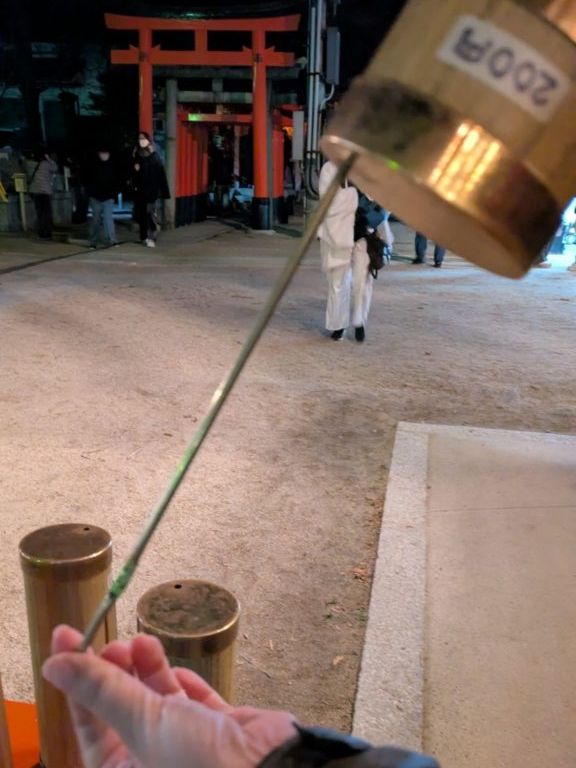
You then tell the shrine staff the number and pay a small fee to receive your fortune.
その番号を神社の人に伝え、お金を払うと、対応したおみくじをもらえます。
Omikuji Fortune Rankings
The number of ranks may differ depending on the shrine,
but generally, omikuji fortunes are ranked from best to worst as follows.
神社によって順位の数は異なりますが、
一般的なおみくじの順位は、運勢が良い順に次のとおりです。
1. 大吉(Daikichi)– Great Blessing
2. 吉(Kichi)– Blessing
3. 中吉(Chūkichi)– Middle Blessing
4. 小吉(Shōkichi)– Small Blessing
5. 末吉(Sue-kichi)– Future Blessing
6. 凶(Kyō)– Curse / Bad Luck
7. 大凶(Daikyō)– Great Curse / Very Bad Luck
Even if you draw the worst fortune, there’s no need to feel too discouraged.
Many people see it as a sign that their luck will improve from here 👍
もし大凶を引いてしまっても、悲観しすぎる必要はありません。
「これから運気が上がっていく」と前向きに捉えます 👍
On the other hand, even if you draw the best fortune,
it’s important not to become careless 😉
一方で、一番運勢の良い大吉を引いたとしても、決して油断してはいけませんね 😉
My Omikuji Result
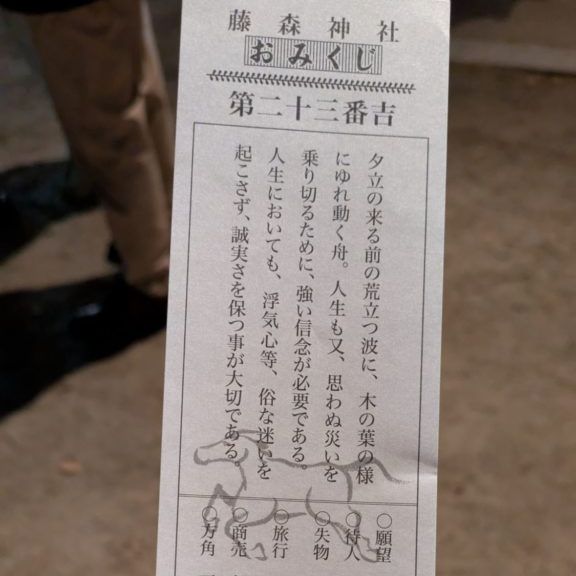
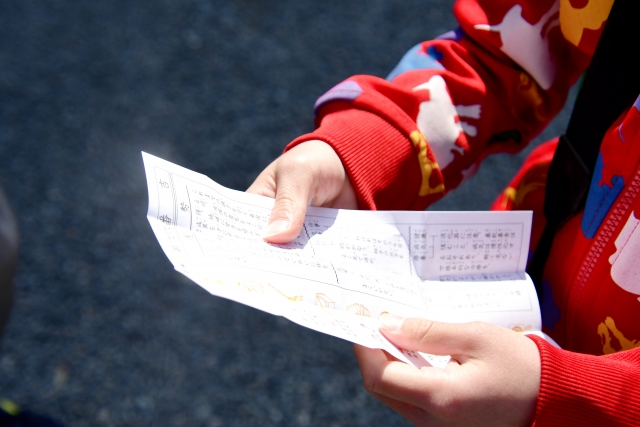
The omikuji I drew this year was “Good Blessing.”
私が今年引いたおみくじは「吉」でした。
This is what was written on it:
こう書かれています。
“Like a boat swaying like a fallen leaf
on rough waves before a sudden evening storm,
life too can be shaken by unexpected disasters.
To overcome them, strong conviction is necessary.
In life as well, it is important
not to be led astray by frivolous thoughts or worldly temptations,
but to maintain sincerity and honesty.”
「夕立の来る前の荒立つ波に、木の葉の様にゆれ動く舟。
人生も又、思わぬ災いを乗り切るために、強い信念が必要である。
人生においても、浮気心等、俗な迷いを起こさず、誠実さを保つ事が大切である」
What Do You Do After Drawing Omikuji?
After drawing an omikuji, you can either tie it at a designated place in the shrine or take it home.
引いたおみくじは、神社の指定された場所に結んでも、持ち帰っても構いません。
Some people tie it there, wishing to be watched over by the gods.
If you want to treasure the message, you can take it home and keep it safely.
神様に見守ってもらえるように、結ぶ人もいます。
書いてある言葉を大切にしたい場合は、持ち帰って保管します。
When people draw a great blessing, many choose to take it home.
When I drew one in the past, I kept it in my wallet.
This time, I tied it at the shrine.
大吉を引いた場合は、持ち帰る人が多いように思います。
私も以前、大吉を引いたときは、財布に入れて持ち歩いていました。
今回は結んでおきましたよ。
Would you like to try drawing an omikuji at a Japanese shrine someday?
あなたも、日本の神社でおみくじを引いてみたいですか?