A Word from a Friend Living in a Tourist Area
Recently, I heard this story from a friend who lives in a tourist area:
"When overseas visitors come to Japan, I wish airports would display a message alongside 'Welcome to Japan' that says 'There are no trash cans on Japanese streets,' and distribute garbage bags."
先日、観光地に住む友人からこんな話を聞きました。
「海外の方が日本に来るとき、空港に『ようこそ日本へ』というメッセージと一緒に『日本の道にはゴミ箱がありません』と書いてほしい。そして、ゴミ袋を配ってほしい」と。
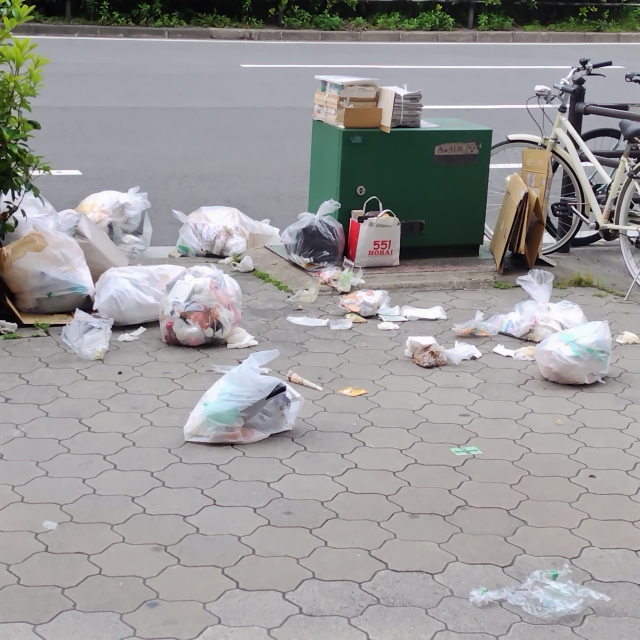
This is because, near her home, the increase in tourists has led to garbage being left around the neighborhood.
彼女の家の近くでは、観光客の方が増えて、近所にゴミが置かれるようになってしまったそうです。
The current reality in Japan is that sad news is increasing due to some tourists with poor manners.
一部のマナーの悪い観光客のせいで、悲しくなるようなニュースが増えているのが、今の日本の現状です。
I often hear that first-time visitors to Japan are surprised by how little litter is found on Japanese streets. At the same time, they probably notice that there are hardly any trash cans installed throughout the city.
日本に初めて来られた方は、日本の道にほとんどゴミが落ちていないことに驚かれる方が多いと聞きます。それと同時に、ゴミ箱が街中にほとんど設置されていないことにも気づいたのではないでしょうか。
What Do Japanese People Do with Trash When Out?
So, what do we do with trash generated while out and about?
The answer is simple: we put it in garbage bags, take it home, and dispose of it at home after returning.
では、私たちは外出中で出たゴミをどうしているのでしょうか。答えはシンプルで、ゴミ袋に入れて持ち帰り、家に帰ってから自宅で捨てているのです。
Since we live with the assumption that there are no trash cans when out, we make small adjustments in our daily lives.
外出先にゴミ箱がないことを前提に暮らしているので、ちょっとした工夫をしています。
Living with Adjustments Based on the Assumption of No Trash Cans
Carrying Food
For example, when we want to drink juice while out, we choose bottled drinks with caps from vending machines. This way, we can put any leftover drink in our bags and carry it with us.
例えば、外出先でジュースを飲みたくなったときには、自動販売機でふた付きのペットボトルを選びます。そうすれば、飲み残しをカバンに入れて持ち歩くことができるからです。
During long outings, we don't carry perishable food. For instance, when going out with small children, we might bring snacks, but we choose individually wrapped snack foods in portions that can be finished completely. Even when purchasing from convenience stores, we're conscious of buying amounts we can finish.
長時間の外出では、腐るような食べ物は持ち歩きません。例えば、小さい子どもと一緒の外出では、おやつを持ち歩く事もあると思いますが、食べきれるサイズで個包装になっているスナック菓子にします。
コンビニなどで購入する時も、食べきれる量を意識します。
Bringing Garbage Bags
In my bag, I always carry several sealable zip-lock bags and regular plastic bags for trash.
私はカバンの中に、ゴミ用に密閉できるジップ付きの袋と普通のビニール袋を何枚か入れています。
Those raising children probably have a lot of trash when out - leftover food, wet wipes used to clean hands and faces, etc. A friend of mine carries a dedicated container for trash and washes it at home after disposing of the garbage.
子育て中の方は外出先でのゴミが多い事でしょう。食べ残しや手や口の周りを拭いたウェットティッシュなど。友人はゴミ専用の容器を持ち歩き、自宅でゴミを捨てた後、洗っているそうです。
Summary
The readers of this blog are all wonderful people who try to understand Japan. I would be happy if you could widely share the knowledge that taking trash home is proper etiquette in Japan.
このブログの読者の皆さんは、日本を理解しようとしてくださる、良い方ばかりです。日本では、ゴミを持ち帰るのがマナーである事を広く知っていただけると嬉しいです。
Next time, I'll introduce education in Japanese elementary schools where children learn manners related to trash.
次回はゴミに関するマナーを教わる、日本の小学校の教育を紹介しますね。
Have a wonderful day! 🤗
では、良い一日を🤗